Video-installation presented at Royal Academy of Art, The Hague in 2022.


In Kodak Knows No Dark Days Xaver Könneker examines the peculiar intersection between the smile, death and the practice of forensic odontology. By tracing the history of Kodak and its unintended link with forensic identification, he invites us to radically rethink what it means to smile for a photograph.
“In the multi-channel video installation, which together with a printed publication makes up the project, I tried to translate this scientific practice into an artistic language. The installation uses the visual language of forensics while combining it with the nostalgia of Kodak film. It brings together several elements. Kodak Super 8mm footage of strangers I met on the street smiling, a high-resolution re-staged interview with a forensic odontologist focusing only on his mouth so that the teeth are in view, evoking the clarity and precision vital to the forensic process, and a Kodak carousel projecting 35mm dental slides.
The carousel, with its iconic click and clack and its warm orange glow, embodies the pre-digital nostalgia of a Kodak world while simultaneously presenting the forensic information used in the field. I really wanted to evoke this tension between nostalgia (which functions as a warm lens to misremember the past) and forensics (a practice deeply invested in reconstructing the past accurately) in the video installation as well as the publication.”
- Xaver Könneker interviewed for Pellicola Magazine (2026)
Read selected interviews & essays here:
Dust Magazine
Pellicola Magazine
Source Magazine
British Journal of Photography
Foam Magazine
Looking at a smile with a forensic gaze unveils an uncanny tension between life and death. Kodak Knows No Dark Days: Forensic Gazes, Death and the Photographed Smile examines the relationship between the smile, the history of photography, and death in forensic odontology, a practice that uses photographs of smiles to identify deceased persons.
Drawing from an interview with a forensic odontologist and a historical analysis of Kodak’s impact on cultural habits, the thesis traces how photography reshaped memory and death. It highlights the unintended connection between Kodak’s project to link photography with pleasure and a field where photographed smiles serve as evidence for human remains.
“It occurred to me that the forensic process of identifying corpses through photographs of smiles relies on the cultural obsession of having our photo archives filled with moments of joy. Without the abundance of smiling portraits to draw from, forensic odontologists might face more challenges in identifying deceased persons without dental records.
The question of why we all agreed to partake in the awkward ritual of smiling for the camera in the first place was still lingering in my mind. From cosy family gatherings to sunny holidays in Spain, the expectation of smiling for photographs is nearly ubiquitous. We see the camera and smile as if it were a natural, biological instinct. The prevailing attitude in society presents happy moments as inherently impregnated with photogenic value. Within our family archives, there appears to be little space for anything other than emotional expressions signalling a happy life well spent. But what drives the cultural habit of smiling for the camera?”
- Xaver Könneker in Dust Magazine (2025)
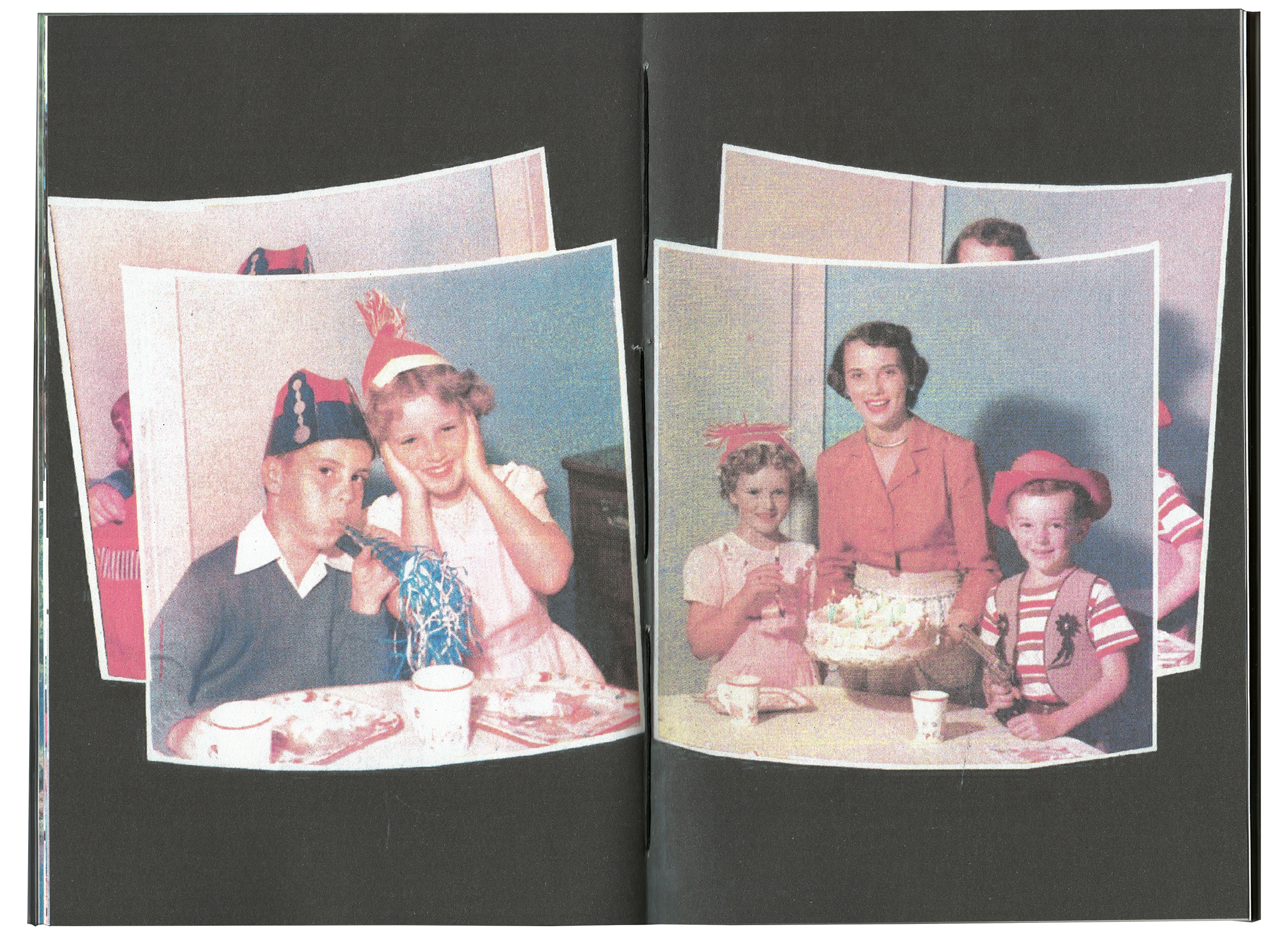


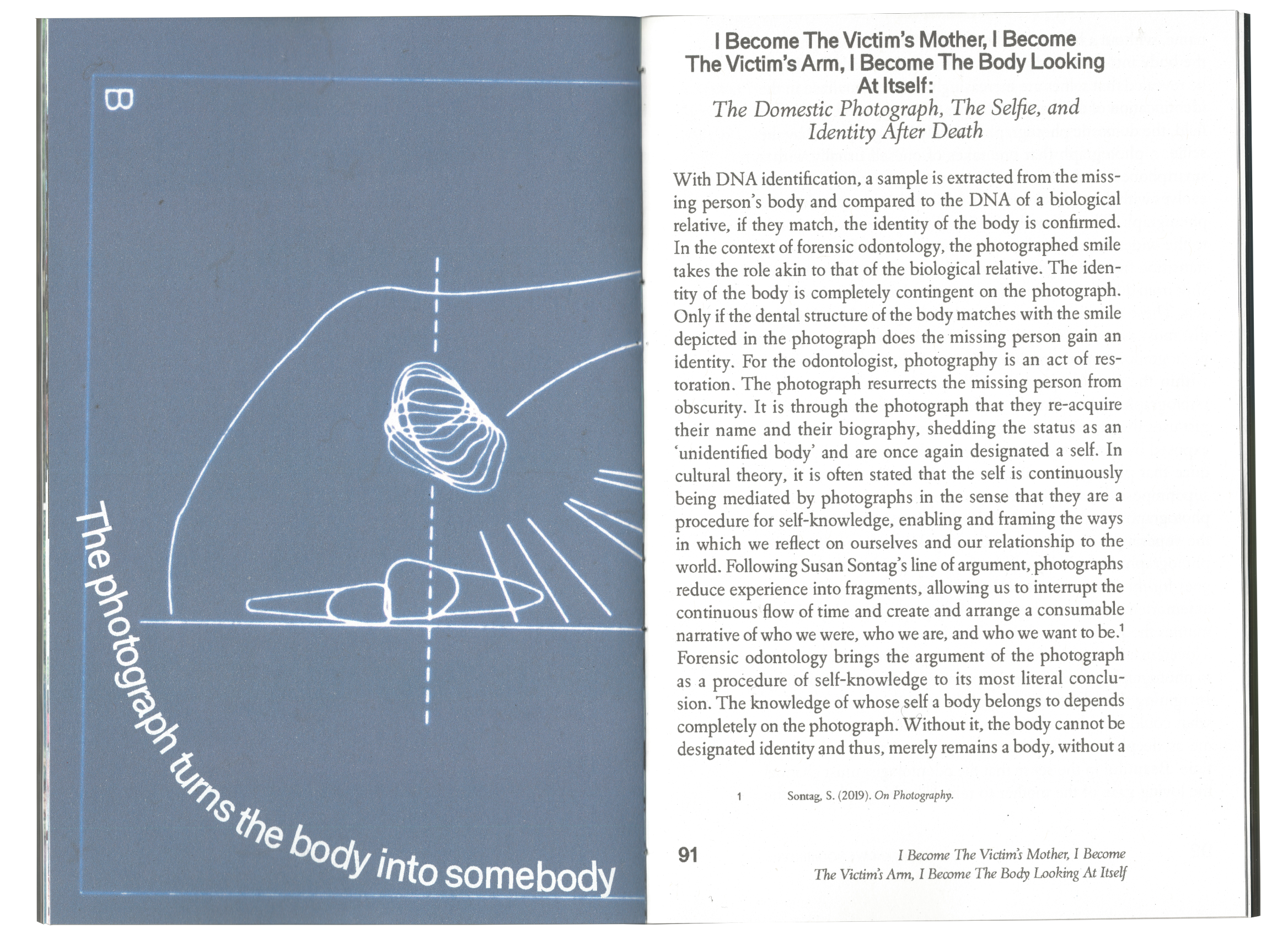
Design by: Carmen Dusmet Carrasco
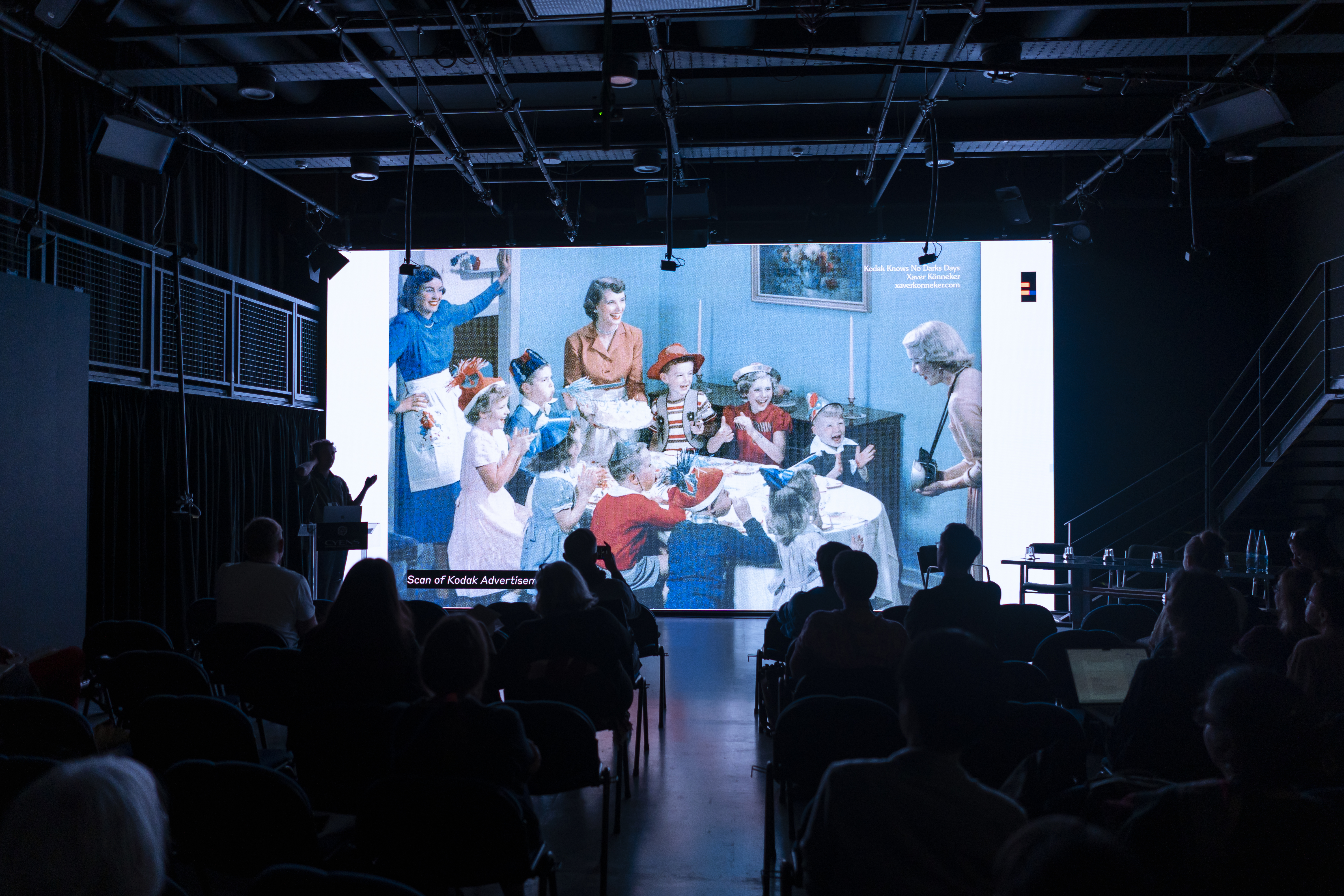
Guest-lecture at The 7th International Conference of Photography and Theory, organized by the International Association of Photography and Theory, in Nicosia, Cyprus (2024).